“Kithul”(Caryota urens), is an indigenous monoecious plant, naturally grown in the wild. Regarded as a money-spinner for the rural masses over 10000 villagers in 14 villagers are now engaged the Kitul based products as Kithul based products have become a lucrative industry. Kithul products have a high demand due to its uniqueness in taste, aroma and traditional claims on the health benefits. However, due to the scarcity in production coupled with this high demand these products are a highly priced commodity. Many families in rural Sri Lanka still rely solely on the Kithul palm for their livelihood through the income obtained by the sale of Kithul treacle and jaggery.
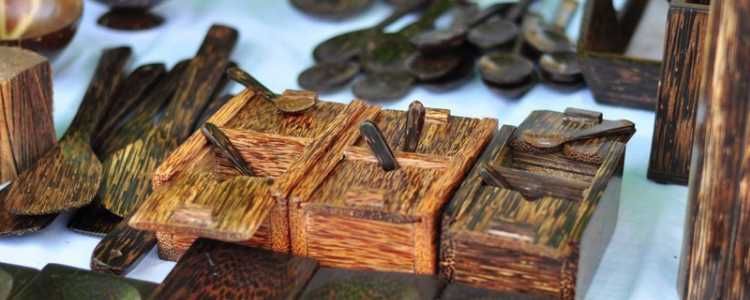
From Forest to Family Income: The Kithul Economy
A monthly income of about Rs.10, 000 (34US$) is possible from a successfully tapped tree. The Kithul industry therefore, being a cottage industry takes care of many of the rural poor, contributing to the Sri Lankan rural economy to some extent. The villagers who were knowledgeable about the techniques were highly regarded in their society, as they were the masters in the techniques. This traditional knowledge on the tapping techniques was a highly guarded and much valued secret, kept within families and handed down only to their own generations.
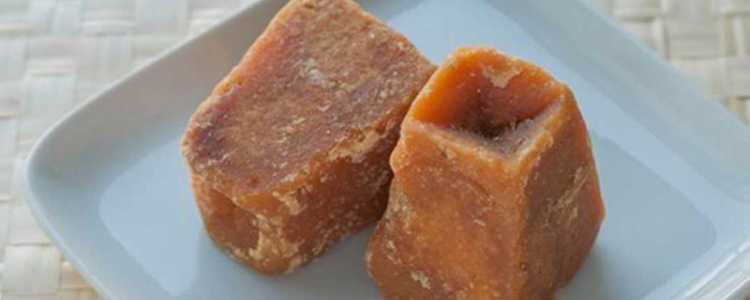
Why Kithul Treacle and Jaggery So Highly Valued?
The traditional industry dates back to about 2000 years according to ancient literature and Kithul products were commodities that were used in the barter system for other foods such as paddy, pulses, vegetables and meat, as Kithul treacle and jaggery were the popular sweeteners of ancient Ceylon. The traditional knowledge on tapping is amazing. With their techniques, once an inflorescence is tapped, the sap had been obtained continuously for a considerable period. In certain cases, sap had been obtained for 8-10 months from inflorescences with a yield of about 20-30 bottles per day per inflorescence.
A Skill Found Nowhere Else: Sri Lanka’s Kithul Heritage
This traditional techniques used by Ceylonese (Sri Lankan) villagers is unmatched and to the best of our knowledge, not observed in any other country in the region, although this palm is available in Asian tropics. Therefore, this unique knowledge and the unique products are truly Sri Lankan only, and we can therefore be justifiably proud of the wisdom and skill displayed by our ancestors.